



One of the most important lesson that I have learnt from my mentor in IVF is that IVF is equivalent to an exam. The likelihood of passing an exam (aka. achieve a pregnancy) is increased if you are prepared for it. Half of the battle is won not during the battle itself but during the preparation for the battle.
As a seasoned student (I have been through many exams including my professional exams), I could not agree more. A famous Chinese military general, strategist and philosopher, Sun Tzi (600 B.C.), who authored the famous book ‘the Art of War’ had clearly illustrated and emphasized the importance of being ‘prepared’ as the secret of a victory.
Therefore, before you embark on your journey of IVF, would you join the wining team by preparing yourself for the battle?


Restoring balance
The benefits of acupuncture in IVF
In recent years, acupuncture has become an increasingly popular complementary treatment for those suffering from infertility, especially women undergoing IVF treatment. But what’s behind the buzz and does it actually work? Let’s examine the known facts.
What is acupuncture?
Acupuncture is a form of traditional Chinese medicine (TCM) and healing method that has been used for thousands of years across the world to treat a variety of ailments. It involves the gentle insertion of thin, sterile needles that are inserted into the skin at strategic points of the body to provide stimulation.
According to TCM practitioners, there are more than 2,000 acupuncture points on the human body, which are connect to 14 major pathways or meridians. These meridians conduct “qi,” which is a form of energy or life force that is believed to regulate our spiritual, emotional, mental and physical balance. Poor health habits can disrupt the proper flow of qi, leading to various ailments, including pain and infertility.

Benefits for those undergoing IVF
As acupuncture works on the principle of restoring balance, here’s how it can help:
Reduces stress – By lowering the levels of stress hormones released into the blood stream, acupuncture can help restore the body’s hormonal and neurochemical balance.
Improves blood flow – Stimulation at strategic points can increase blood flow to the ovaries and uterus, which increases chances for the egg to be implanted, nourished and carried to term.
Relieves aches – By alleviating existing aches and pains, acupuncture can provide further relief and stress reduction.
Relieves anxiety – By helping to treat conditions like anxiety and insomnia, which can have devastating long-term effects to wellbeing, acupuncture helps restore the body’s delicate balance.
Few side effects – Unlike some forms of Western treatment, which can be invasive and causes undesirable side effects, acupuncture has relatively few to no side effects other than causing bruising at the needle site.

Scientific research
Some experts in complementary medicine have cautioned that the positive effects of acupuncture may actually be due to a “placebo effect” that is caused by patients expecting acupuncture to work. To understand the phenomenon better, some scientific studies have been carried out to review the benefits of acupuncture in infertility treatments.
One study, jointly-conducted by the University of Maryland’s School of Medicine, Georgetown University School of Medicine, Washington and the University of Amsterdam, Holland, compared the results of needle acupuncture in women receiving IVF, against women who received fake treatments and no treatments at all.
The results were very positive, as according to the study, “IVF with acupuncture increased the odds of pregnancy by 65% (according to early evidence on ultrasound), increased the odds of ongoing pregnancy by 87% (according to ultrasound evidence of pregnancy at 12 weeks) and increased the odds of a live birth by 91% compared with IVF on its own.”

Conclusion
The researchers concluded that their results suggest that, “Acupuncture given with embryo transfer, improves rates of pregnancy and live birth in women who are undergoing in vitro fertilisation.” While their findings are significant and clinically relevant, the researchers consider them to be “somewhat preliminary” and call for further investigation in the link between pregnancy rates and the effect of acupuncture.
With these encouraging facts and figures, there is no wonder why more and more couples are choosing to include acupuncture in their infertility treatment routine. If you’re interested to find out more about using acupuncture as a complementary form of treatment, don’t hesitate to bring it up to your doctor.

Daddy beware
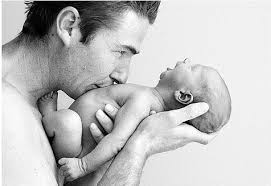
How paternal age affects reproduction and offspring
When it comes to discussions on fertilisation and reproduction, there is often an emphasis on the mother. This includes her age, which is also known as “maternal age.” This is quite understandable, because multiple studies have been conducted on women’s health and the effects it can have on the pregnancy and baby. And the bulk of the research shows that women over 35 do have a higher risk of infertility, pregnancy complications, spontaneous abortion, congenital anomalies and perinatal complications.
But what about paternal age? How come it’s rarely discussed? Could the age of the father have an effect on reproduction and the health of the baby both in vitro and after birth? The answer is – Yes, it’s possible.
Today, however, late fatherhood has become more commonplace. In fact, in Hollywood it has become a trend, with celebs like Steve Martin, George Lucas, Jeff Goldblum and Robert DeNiro fathering children in their 60s. And it’s not just celebs that are having children later in life.
In the last decade, we’ve seen a rising number of men becoming fathers for the first time at an advanced age. This is largely due to the increase in life expectancy, the use of contraceptives, delayed marriages and so on. Arguably, there are various social advantages to having children at a later age. For example, older fathers are often more advanced in their careers and are better equipped to provide financial security to the family. But what about potential risks? Do they outweigh the advantages?
Despite this rising trend of delayed fatherhood, research on the effects of paternal age on reproduction and offspring has been lacking. However, there is a growing body of literature on the topic, and they point to several risk factors that couples must be aware of and take into consideration.
Firstly, studies have shown the negative effects of paternal age to sperm quality and testicular function. In addition to this, older men have an increased risk of male infertility, which can adversely impact reproductive and fertility outcomes, including the success rates of treatments like IVF/ICSI.

Research also indicates that children conceived by men over the age 40 might face a higher risk of miscarriage; preterm birth; birth defects such as the bone growth disorder achondroplasia; disorders like autism, schizophrenia and bipolar disorders, as well as childhood leukemia.
But why do the risks for these health conditions increase with paternal age?
Researchers believe that these health conditions might be caused by age-related genetic mutations and chromosomal abnormalities, which in turn results in genetic mutations that are then inherited by the offspring. With these facts in mind, it’s essential for couples, especially those facing fertility issues, to consider the links between advanced paternal age and the potential risks to conception and the health of their offspring.
But, if you’re a man in your 40s or older who is considering fatherhood, or are concerned about your reproductive health, don’t hesitate to speak to your doctor. It’s best to address your worries and find out more about the potential risks involved.

Kate realised that having a child with a really tall father did have its advantages.

Fertility on ice
What you should know about egg freezing
We often hear of the expression “ticking biological clock,” but what does this actually mean for a woman? Well, here are the facts and figures. As a woman, you were born with about one to two million immature eggs or follicles, and these begin to die off as soon as you leave your mother’s womb.
By the time you’ve reached puberty, you’ll only have about 400,000 follicles left, and with each menstrual cycle, you’ll lose thousands more. Due to the loss of follicles throughout your reproductive life, when you’ve reached your mid 30s, your fertility would have sharply declined. And in your late 40s, any follicles that remain are unlikely to mature due to the hormonal changes brought on by menopause.
Now that you understand a little more about eggs, let’s find out why some women choose to freeze theirs and what it entails.
What is it?
Just as the name suggests, in egg freezing, a woman’s unfertilised eggs are frozen through a process called vitrification. This is done so that the eggs can be stored for many years. When a woman is ready, the eggs can be thawed and fertilised with sperm. Once the egg has developed into a healthy embryo, it can be transferred to the woman’s uterus for a chance of pregnancy.

Why?
Some women choose to freeze their eggs because they are currently not in the position to become pregnant and they want to preserve their healthiest eggs. One of the leading reasons for egg freezing is serious illness. For example, a woman who is undergoing cancer therapy may worry about the impact of the treatment on her fertility. As such, she may have her healthy eggs removed and frozen for future use before she undergoes treatment.
Other women, on the other hand, may be concerned about age-related infertility. Though a woman may be at her most fertile between her 20s and early 30s, for some women, childbearing is unavoidably delayed due to education, career or personal goals. Through egg freezing, a woman can store her healthy eggs for use in the future, enabling her to start a family when she is ready. A woman’s age when her eggs are frozen also affects her chances of conceiving later in life. For example, if she opts to freeze her eggs during her late 30s, her chances of pregnancy are significantly lower.
How?
Much like the early stages of IVF, the egg freezing cycle takes about 10-12 days. The woman will give herself daily shots of hormone injections, which stimulate her ovaries and ripen her eggs. When her eggs have matured, they are removed using a special needle that is inserted through her vagina. An ultrasound is used to help guide the needle and the woman is sedated, so she will not feel any pain. Once retrieved, the eggs are immediately flash frozen.
Is it safe?
In a word – yes! To date, more than 300,000 children have been born worldwide from frozen embryos and studies conducted in recent years have shown that the use of frozen eggs does not increase pregnancy complications or birth defects.
If you’d like to learn more about egg freezing and the costs involved, don’t hesitate to speak to a fertility specialist.


 Dr Helena Lim