
干杯之后, 好孕灰飞烟灭-风采杂志

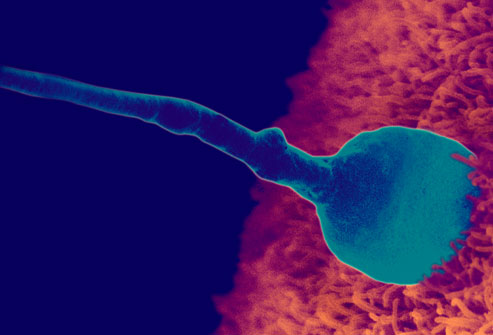
Unravelling a Mystery
Epigenetics as a possible cause for male infertility
One of the common problems subfertile couple faced is the issue concerning sperm quality and quantity. In the past, male issue had deemed to be responsible for 15-20% of the reason for subfertility. However, over the last 10 years, this issue had become more prevalent and it is estimated that around 40-50% of couples are suffering from male fertility issues.
A recent study in French men between 1989 and 2005 found a significant widespread declines in sperm quality , with average sperm counts falling while percentages of abnormally formed sperm rose. These findings are a “serious public health warning,” the authors wrote. The same findings were observed world wide suggesting a global decline in male fertility.
What can possibly be the culprit causing such decline? Could it be the air we breathe? Could it be the water we consume? Could it be the pesticides, fertilizers, genetically modified food and etc?
There is no straightforward answer to this.
According to a 2011 study called Starting Families Asia, which surveyed 1000 women from 10 countries (including Malaysia), there is a widespread lack of knowledge about male fertility issues throughout Asia. The study showed that, “51% of women do not know that a man may be infertile even if he can achieve an erection, and 49% do not realise that a man may be infertile even though he produces sperm.”
Despite the lack of awareness, male infertility is a common problem, affecting 1 in 20 men. And among married couples struggling with infertility, 40% of the cases may be attributed to the man. Though it has been extensively studied, male infertility remains a complex problem and the underlying causes are usually unknown. However, a study by researchers at the University of Southern California (USC) has suggested that the underlying cause for male infertility is epigenetics – the way that DNA is processed and expressed.
The consequences of epigenetic modification
Epigenetics are processes that alter gene activity, without changing the DNA sequence. They have a vital role to play in the body’s many processes, including those involved in conception, such as implantation, placentation and fetal growth. When these epigenetic processes are modified, due to genetic and environmental factors, the consequences are usually unfavourable.
To identify the link between epigenetic modification and male infertility, USC researchers studied the epigenetic state of DNA from semen samples of male patients at an infertility clinic. Their findings showed that, “Sperm DNA from men with low sperm counts or abnormal sperm had high levels of methylation. However, DNA from normal sperm samples showed no abnormalities of methylation.”
DNA methylation is the result of biochemical changes that happen during epigenetic reprogramming, and according to Rebecca Sokol, M.D., MPH, Pofessor of Obstetrics and Gynecology at the Keck School of Medicine of USC, “Disturbance of epigenetic programming can result in abnormal gene activity or function, even if there is no change in DNA sequence.”
The findings of this ground-breaking study show that there is a link between epigenetic defects and abnormal semen development. In addition, says Sokol, “It is plausible to speculate that male infertility may be added to the growing list of adulthood diseases that have resulted from fetal origins.”
Conclusion
As the results of this study point to underlying mechanisms that can cause epigenetic changes, the next step is for researchers to identify what causes these changes to sperm DNA. Once they have been identified, we will be one step closer to preventing certain types of male infertility. At present, it is believed that one of the possible causes of epigenetic alterations is chemical exposures. It has even been suggested that exposure to chemicals as a fetus may lead to adult diseases.



A few days ago, I was having tea and a chat with my good friend & colleague, Dr Natasha about various things in life. We were having some discussions on our visions in life as individuals and looked at some of the things we have done over the last few years which we thought would have some small implication or contribution to the society in general. For many people who know both of us, we were colleagues and good friends for many years, in a truly one Malaysian spirit.
One of the many things we have worked together on was a project which hosted a website called www.pitterpatter.com.my. This is a project was initiated by us and our initial thoughts was to create a platform which is accessible by everyone, to educate the general public about various issues on pregnancy & parenting.
When we looked back into our journey, we suddenly realized that it had been 4 years since we have embarked on this venture. Pitter Patter is into its fourth year and we are about to host our 20th Antenatal Forum on 10th November 2014.


Neither of us could believe this, and we looked back at our Event journals and realized that it had been a good 4 years since we held our first Mothers’ Day event at Carcosa Seri Negara on 2nd May 2010.
Pitter Patter had been a wonderful educational journey for us. Natasha & I started this internet platform in 2010 which serve as an educational tool for the general public. The purpose of this platform is educate the general public on various issues on pregnancy & parenting. Although this sound noble to start with, Natasha & I soon found that we are not in just to educate, but also to be educated. Ms Sylvia Khoo, my good friend, Dr Khoo’s wife was another ‘partner in crime’ whom we have roped in to get the ball rolling. Sylvia is an extremely organized and far sighted person whom had taken Pitter Patter into this journey to where it is. Our idea was to run this as an Non-Government Organisation (NGO). So, idealistic as we could be, we created this website and it became life in January 2010.
Then people started telling us, it is a good idea to write all the wonderful articles related to pregnancy & parenting and put them online. But they also want to hear from the medical professionals who they can interact with, they want to be able to see the medical professionals addressing the crowd, make eye-to-eye contacts, answer their questions and make credible comments apart from looking for these information online.
So, we started our crazy adventure of hosting regular antenatal forums which had been extremely successful over the last 4 years.
Along the last 4 years, we have also published a few books on pregnancy & parenting, 10,000 copies each, which was given to the general public, free of charge. These books are circulated in most of the hospitals and clinics around Klang Valley.
The first series was a pregnancy book called Mummy’s Secret, which is now in its third edition.



Another parenting series called My First Step, a parenting booklet by medical professionals, which is now in its second edition. The second edition is called ‘My precious Tot’ and it is now in printing mode


Another new parenting booklet called Parenting Joy, which is a joined effort of HELP International School and Pitter Patter is now in its final stage of production.

When I looked back at these 4 wonderful years and remembered those nights when I burnt my midnight oil reading though the texts and proof reading all these articles, I felt truly blessed. This project started off with just a small wish to give something back to the society, and we had been lucky that it has been so for the last 4 years. I am truly blessed that friends & colleagues had been most supportive in giving us a hand in making these projects a reality.
With this, I wish to thank all of you whom had made this journey incredibly rewarding and we hope to bring you many more wonderful years of Pitter Patter
 Dr Helena Lim