了解多囊卵巢综合症


However, if you have no embryos frozen, what is your option?
This chart below showed a cumulative live IVF births from a study conducted.
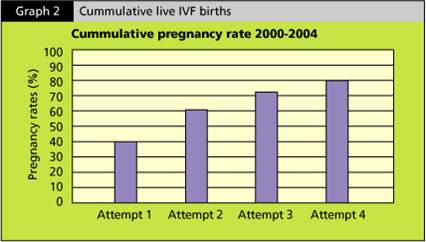
This study looked at all the women under the age of 42, who are going through IVF.
The study revealed that the pregnancy rate is around 40% in this group of women after they completed their first cycle of IVF. For those women who did not get pregnant the first round and went on having the second round of IVF, there were another 20% who got pregnant after the second round. Therefore, by the 4th IVF cycle, around 80% of women would have achieved a live birth.
This statistic clearly shows that if you persevere and keep moving on, chances of you getting pregnant by the end of the 4th IVF is around 80%.

Therefore, it is not unusual for Fertility doctors to encourage our patients to keep moving on because the statistics had clearly show us the evidence.
To improve your chance of pregnancy for the next IVF, it is important to improve the quality of your eggs and sperms by eating healthy and improve lifestyle, quit habits which can potentially jeopardize your success rates such as smoking, alcohol and stress. Speak to your fertility doctor about what are the other options in your IVF treatment.


Question: I am a person who is fearful of pain. I gathered that going through IVF will required multiple injections, surgery and other procedures which are painful. Is it true?
Dr Helena’s answer:
IVF sounds daunting to many people. A lot of us have perceptions that it is extremely expensive. Some of us thinks that it would bring us a lot of inconvenience, such as having to go to hospital everyday, lay in bed for a few months, quit our job and etc
One of the greatest fear many had was the perception of pain associated with IVF procedures. The thought of having daily injections made most of us wanting to run away and hide from the doctors. Some people are scared thinking about the egg retrieval procedures. Some are dreading the embryo transfer procedure, thinking that it would bring great pain and discomfort. Some dread the injections which are taken after the procedure, which are the progestogen injections, aimed to support the lining of the uterus whilst the embryos are implanting.
However, with the new development and breakthroughs in the world of reproductive medicine, IVF procedures had become more and more comfortable and easy to management, with minimal disruption to daily life.
First and foremost, the durations of injections had been shortened significantly with the use of antagonist injections in IVF. This method of doing IVF is called the antagonist cycle or the short protocol. So, instead of having 3 weeks of injections in the agonist cycle or long protocol, the advent of antagonist injections had lead to a shortened period of 10-12 days of injections. This had greatly reduce the discomfort one needs to go through with injections.
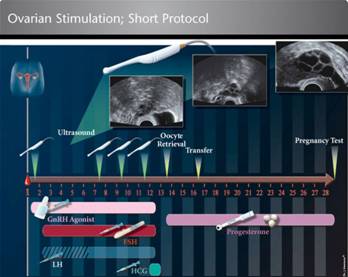
The use of self-administered FSH injection pens with extremely fine needles, had significantly cut down the pain one experienced during injections. This self- administered injections pens are given to patients to take home, and the injections are administered by patients themselves, so patients do not need to come to the clinic or hospital to have their daily injections. The needles used are similar to the ones used in the insulin injection pens, which is extremely fine and almost painless.
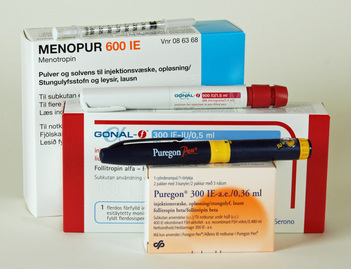
There is also another long acting FSH injection which given at the beginning of an IVF cycle and can last for 7 days. After the initial injection, the patient need not take FSH injection for the next 7 days, which significantly cuts down the number of injections required.

The egg retrieval procedure which usually happened after 10-12 days of injections involved having a light sedation in an operating theatre. In the past, the use of certain sedations such as Valium, Dormicum or pethidine administered by the IVF doctors whilst performing the egg retrieval procedure had appeared to be increasingly unsafe. In many IVF units, a proper IVF operating theatre with a trained Anaesthetist giving sedation during the egg retrieval procedure is becoming a norm and deemed acceptable in terms of safety. One of the advantage of the involvement of an Anaesthetist is that egg retrieval procedure is becoming almost painless, and hence optimizing patient experience in IVF.
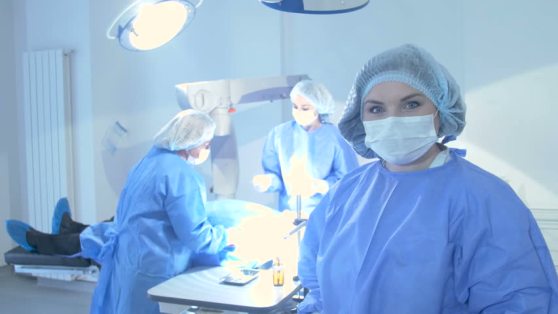
Embryo transfer procedure is usually carried out 3-5 days after the egg retrieval. During the procedure, the embryos which were created following fertilization of the retrieved eggs with sperms are replaced into the uterus. This procedure is performed without anaesthesia or sedation, is relatively pain free. The experience is almost the same as having a cervical smear. Therefore, women should not feel fearful about having an embryo transfer.
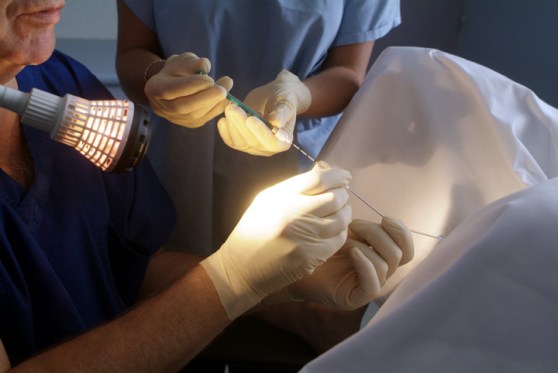
After the embryo transfer, to support the uterus lining and to ease implantation, a
Progestogen is prescribed. In the past, progestogen is administered by injections. These injections are usually painful and cause local irritations, which is uncomfortable and unacceptable to many. With the advent of effective oral and vaginal suppository preparations, studies had shown that these forms of progestogen are equally effective in delivering progestogen to uterus, injectable progestogen had slowly becoming a thing of the past in many IVF centres. This has also greatly cut down the pain experience in IVF
In conclusion, with rapid modernization in reproductive medicine & technology, IVF had become relatively painless. It is importantly to find out more information on IVF before you embark on this journey.
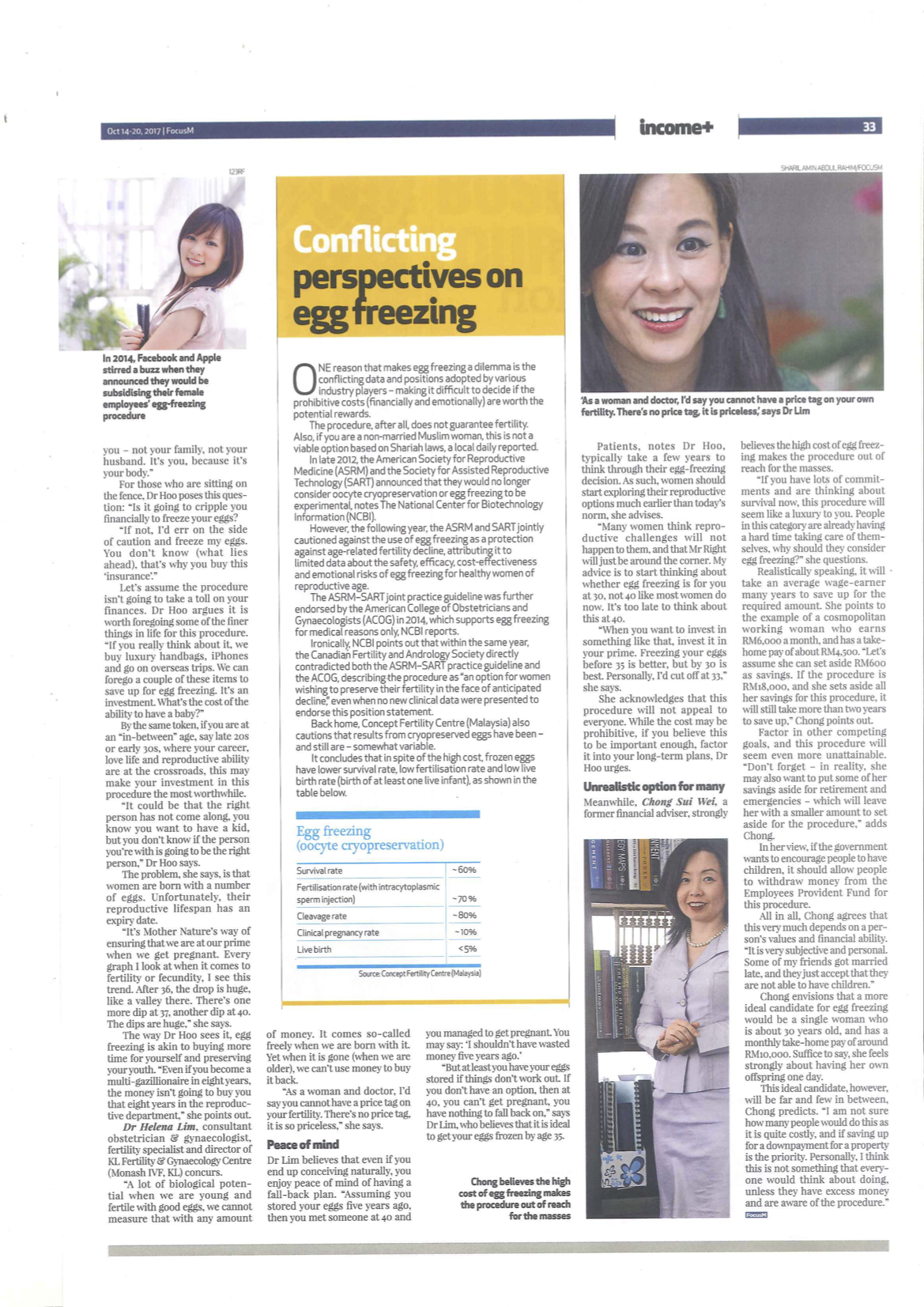

Question: My Husband & I had been married for 8 years, we have tried many different methods of getting pregnancy with no avail (except IVF). The reason I have not attempted IVF is because I heard that it is extremely expensive with low success rates, is this true?
Dr Helena’s Answer: Many people have a lot of myths and misunderstanding about IVF. In fact, IVF started in the 1970’s with many controversies. It used to be regarded as cultic practice in science, intertwined with many religious, social and ethical controversies
However, many years had gone by and IVF had progressed in leaps and bounds in its technology and approach, proving to the world its value and safety. At the turn of this century, reproductive doctors and scientists had achieved many new innovations and breakthroughs, to make IVF more accessible and safer. Hence, IVF had gradually become the mainstream in reproductive science, making the dreams of having children a reality for many couples
However, it is not unusual to find that people are still weary about IVF, and there are still myths and misconceptions surrounding IVF.
One of the myths about IVF is that it’s extremely costly. We hear stories that people had to ‘loose an arm or a leg’ to be able to afford IVF.
The truth is that IVF cost had reduced remarkably for the last 10-20 years, thanks to many creative innovations, especially in the advent of cost effective medications, culture mediums and lab equipments. The advent of a new freezing technique, called vitrification, allows IVF scientists to freeze embryos more effectively to allow storage of excessive embryos, to be used later, cutting down the need to repeat another IVF cycle, making IVF more cost effective.
The cost of IVF in Malaysia is generally ranging between RM12,000-RM20,000. The price range varies because of differences in clinical and laboratory settings, medications used and etc
The success rates are generally good depending on the age of the women. For women aged below 35, the success rate is about 60-80%. For women above the age of 35 but below the age of 40, the success rate is around 50%. The success rate fell dramatically after the women crossed 40 years of age.
There is recent study on Danish population about the cost effectiveness of IVF. The study followed almost 20,000 Danish women undergoing fertility treatments including IVF. Within three years, 65% of the women had given birth, with the figure rising to 71% within five years.
Therefore, it is important to find out more about IVF before deciding on or against it.

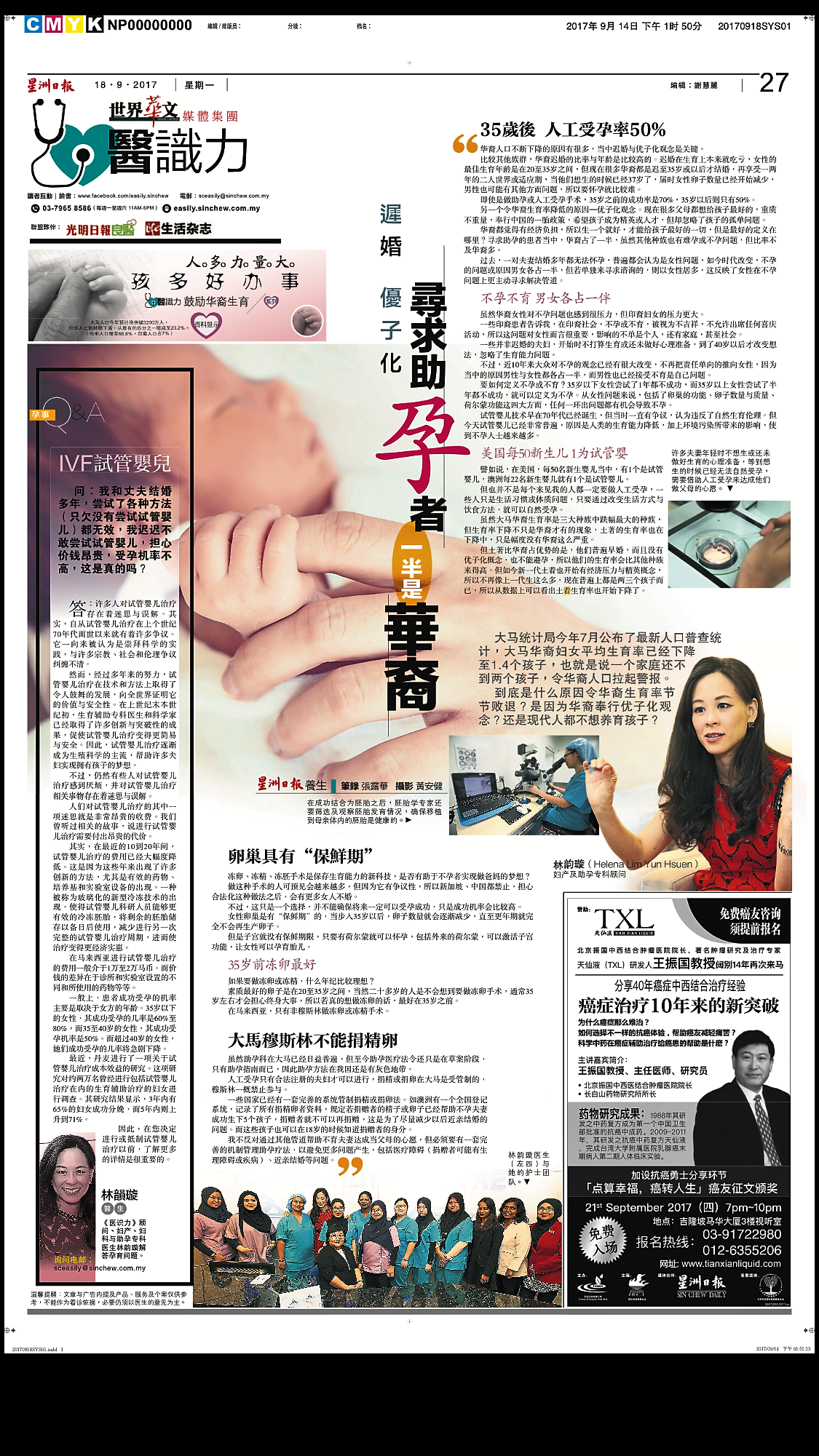
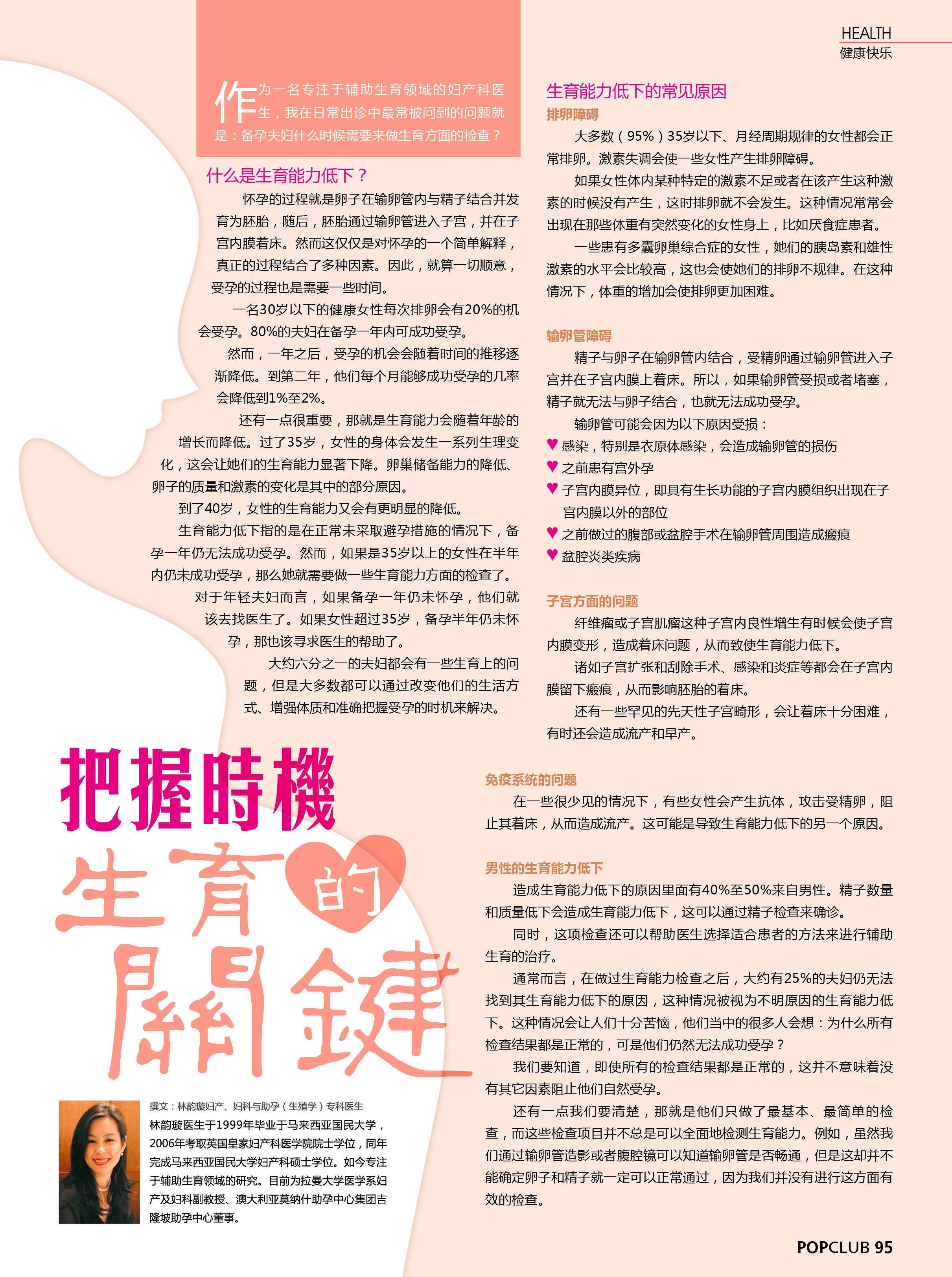

Can IVF Cause Cancer?
Today’s post addresses a question that I am often asked at the clinic – Can IVF cause cancer?
This concern very likely stems from a study done 12 years ago, which has since been well-publicised. It reported that the use of Clomid, which is a fertility medication widely used to treat ovulatory dysfunction in women, might increase the risk of breast and uterine cancer.
Understandably, this has caused some infertility patients to wonder if the treatments they will undergo are safe. Therefore, today I’d like to reassure you by providing references to other studies on the subject.
It’s important to note that since that study was first published, more studies have been conducted and most have found no significant link between Clomid use and cancer risk. One such study, which in fact offers the strongest evidence that Clomid and other ovarian-stimulating drugs do not increase the risk of ovarian cancer, comes from the Cochrane Review.
Published in 2013, the review looked at studies from 1990 to February 2013 that involved 182,972 women. The review not only found no evidence of increased ovarian cancer in women who use any fertility drug, but also pointed out that studies claiming there is an increased cancer risk were unreliable. This is because their sample sizes were too small for drawing conclusions and they did not take into consideration other potential risks for cancer.
For example, if a woman has never experienced pregnancy, her risk of cancer increases. Certain causes of infertility can also cause an increased risk of cancer, for example obesity, PCOS and endometriosis. So in fact, the increased risk of cancer noted in those studies may not be related to the medications at all.
In fact, ironically, some studies showed a decreased risk of developing breast and uterine cancer among infertile women on Clomid, in comparison to infertile women who did not seek treatment for infertility.
There are two other studies, with substantial sample sizes, which included 25,108 women from the Netherlands who received IVF treatment between 1980 and 1995, found that there was no increased risk of breast cancer. Another study, by the Institute of Child Health at University College London, which involved over 250,000 British women undergoing IVF between 1991 and 2010, also found no increased risk of breast or uterine cancer in those patients. However, they learned that IVF patients had a slightly higher risk of ovarian cancer – 15 in 10,000 odds, as compared to women who had never undergone IVF, who had 11 in 10,000 odds.
So as a consensus, from the studies quoted above and others like them, you can rest assured that fertility drugs like Clomid do not increase your risk of developing breast or uterine cancer. However, because infertility itself is a cancer risk factor, it is best that you undergo the necessary follow-up after your infertility diagnosis.
Should you have any concerns on the medications and treatments for infertility, please don’t hesitate to speak to your infertility consultant.

Endometrial scratching to improve IVF success rates
Couples who are struggling with infertility often seek In-Vitro Fertilisation (IVF) treatment in order to improve their chances of starting a family. But what happens when you have gone through multiple unsuccessful IVF cycles? Is there something else you can try?
Many patients who’ve experienced this first hand, have asked me this question, eager to try out something new to enhance their chances in the next IVF cycle. Therefore, today, I’d like to tell you more about a procedure called endometrial scratching, which has become increasingly popular in recent years.
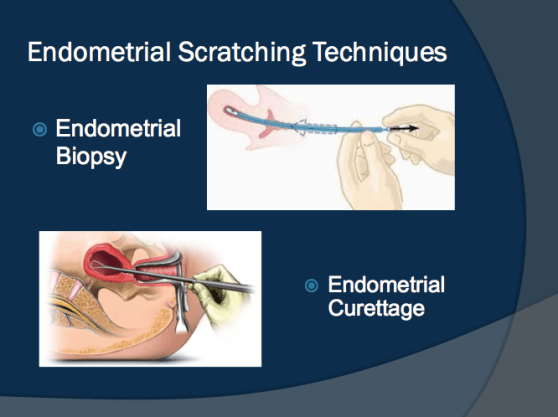
What is it?
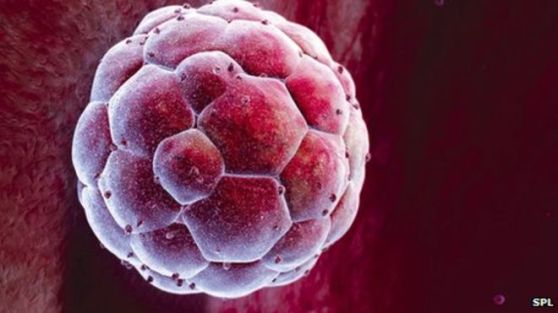
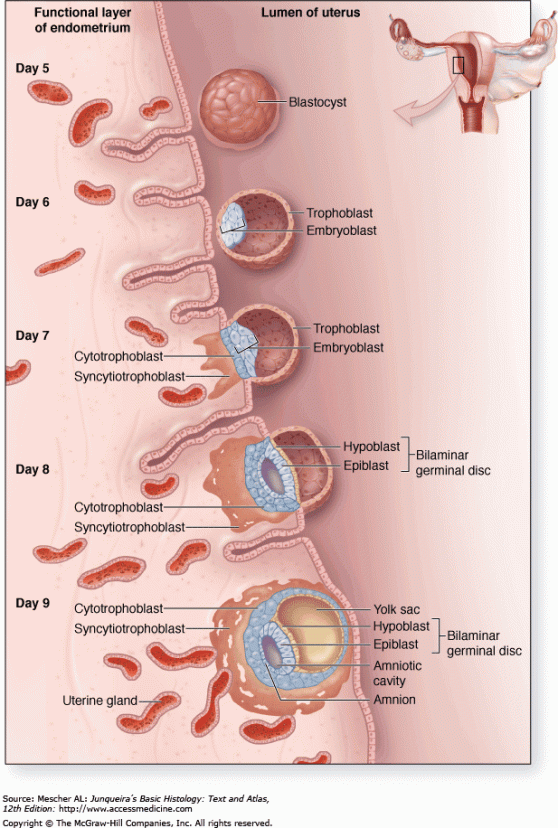
Endometrial scratching is a procedure that involves agitation of the endometrium, which is the mucus membrane that lines the uterus. For conception to occur, a fertilised egg has to successfully implant itself into the wall of the uterus. Sometimes, implantation fails, usually due to the quality of the embryo or the receptivity of the endometrium. In endometrial scratching, a fertility specialist passes a special thin catheter or pipille through a woman’s cervix. The pipille is then moved up and down to gently make tiny scratches or scrapes in the uterine lining. The similar effect can also be achieved by introducing a hysteroscope through the cervix to visualised the lining of the uterus during polyps removal.
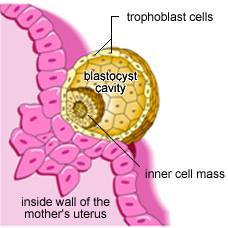
Why is it done?
In theory, endometrial scratching is believed to trigger the uterus to repair itself and develop a new lining, which will be more receptive to an embryo implanting. While the effectiveness of the procedure needs further investigation, studies that have been done on endometrial scratching in recent years have shown encouraging results.
One such study was conducted by the University of Nottingham, UK, which involved 158 women who had undergone unsuccessful IVF procedures. The women were divided into two groups, with one group given the endometrial scratching procedure. As a result, they found the women who had undergone the scratching procedure achieved a 49% pregnancy rate, compared to 29% in the other group.
In another study involving 1000 women, presented at the annual meeting of European Society of Human Reproduction and Embryology (ESHRE), endometrial scratching is said to increase pregnancy success rates for couples trying to conceive naturally or with Intrauterine Insemination (IUI).
When is it done?
The endometrial scratching procedure is usually recommended for patients who’ve experienced multiple unsuccessful IVF cycles or Intracytoplasmic Sperm Injection (ICSI) treatment. The procedure is best performed prior to a woman’s period or right after the period. It is done before an IVF or frozen embryo transfer (FET) cycle begins.
Does it hurt?
While the endometrial scratching procedure has been described as generally painless, requiring no anaesthetic, some women do experience discomfort during and after the procedure. The pain is similar to period cramps and there may be slight bleeding afterwards. To help with possible discomfort, patients are advised to take over-the-counter pain medication about an hour before undergoing the scratching procedure.
If you’ve gone through several IVF attempts and are keen on learning more about endometrial scratching, take the next step and ask your fertility specialist if it is right for you.
Dr Helena Spoke against Child Marriage & Advocated for Women’s Right on TV2, ‘What Say You Programme’
 Dr Helena Lim